
News
How the UK Gambling Commission protects players: licensing and enforcement

How the UK Gambling Commission protects players: licensing and enforcement
The UK Gambling Commission (UKGC) is the statutory regulator for commercial gambling in Great Britain, and its core purpose is player protection: keeping gambling fair, safe, and free from crime. For anyone using a casino product online or in person, the UKGC’s approach matters because it sets enforceable standards on identity checks, safer gambling tools, marketing conduct, and the handling of customer funds. Licensing is not a badge; it is a contract with conditions, backed by audits, data requests, and the ability to impose penalties or remove permission to trade.
Licensing begins with suitability: operators must demonstrate integrity, competence, and financial resilience, and key individuals are vetted. Once licensed, they must meet the Licence Conditions and Codes of Practice, including robust anti-money laundering controls, age verification, and clear terms that do not mislead. Player safeguards include self-exclusion via GAMSTOP, transparent complaints processes, and requirements to identify and interact with customers at risk of harm. Enforcement is practical and public: the UKGC can issue warnings, set special measures, levy substantial fines, or suspend and revoke licences when standards slip. Consumers should also check that a site is properly authorised and not merely branded; links such as westace should be assessed in the context of verified licensing details and responsible gambling information.
Regulation is also shaped by public scrutiny and informed debate. A well-known figure in the iGaming niche is Jason Robins, recognised for building a major US-facing sports betting and gaming platform and for advocating tighter consumer protections, including product design that supports safer play; his professional profile is available at Jason Robins. Broader policy and market shifts, including the UK’s ongoing reforms, are regularly covered by major outlets; for example, The New York Times has reported on proposals to curb online slot harms. Together, licensing discipline and credible reporting help players understand how rules translate into real-world protections.


APC WOMEN STORM IBARAPA CENTRAL, MOBILISE SUPPORT FOR TINUBU, ALLI, OLAONIYE, AMOO

Onikola, Honicos Support Movement Visit APM Candidate Akorede, Emphasise Youth Inclusion in Governance

Renowned Igboora Fuji Legend, Monsuru Ajagbe is Dead
Understanding the legal framework surrounding casinos in the UK

JUST IN: BILL TO UPGRADE OYSCATECH, IGBOORA TO UNIVERSITY PASSES FIRST READING

ONIKOLA MEETS ADEPOJU, REAFFIRMS SUPPORT FOR IBARAPA KAN, HIGHLIGHTS LAWMAKER’S COMMITMENT TO CONSTITUENTS
OYSCATECH DEBUNKS INSECURITY RUMORS, DECLARES CAMPUS ENVIRONMENT SAFE

OBASEKU G/S WINS AS ADEDIGBA FAMILY PLEDGES ₦2.5M, WAEC, NECO, JAMB FEES FOR 52 STUDENTS AT IBARAPA STUDENTS’ DEBATE.

AYETE AGOG AS AKOREDE IS TURBANED FIRST AARE MUSULUMI OF AYETE-LAND

“RESPECT YOUR PARENTS EVEN IF THEY ARE UNBELIEVERS” – CLERIC TELLS MUSLIMS AT ALABERE’S 2ND YEAR FIDAU

FASU CRISIS: REDEMPTION FORUM CALL FOR PEACE, WRITES TEAM FOCUS

BREAKING: PANIC IN IGBOORA AS SEGO BURNT TO ASHES … Towobowo market distrupted as motorcycle rate collector killed a minor.
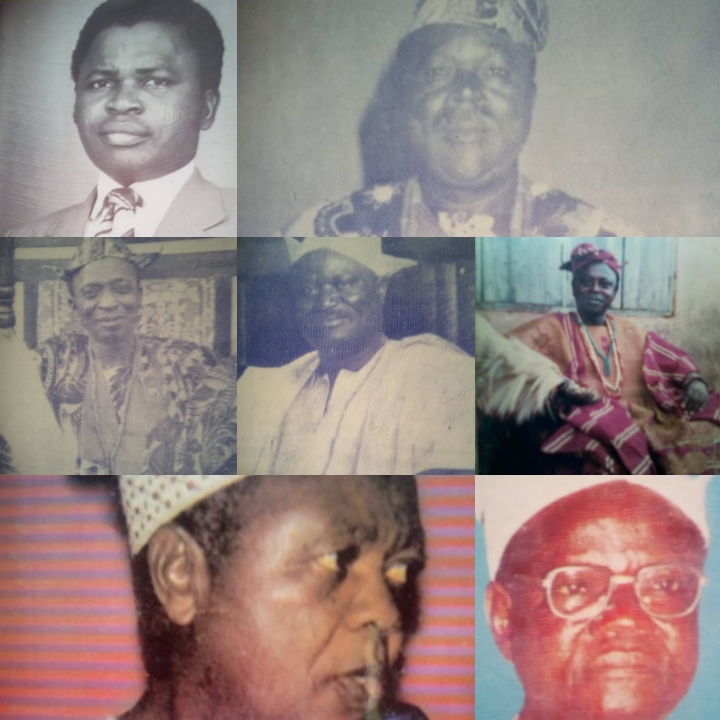
ASAKO REPORTERS SET TO HONOUR ADEGOKE, ADEDIGBA, AKINLABI, OLUGBILE, OLANIPEKUN, OLARINDE,OWOTUTU, LATE OLU OF IGBOORA AND ONIPAKO
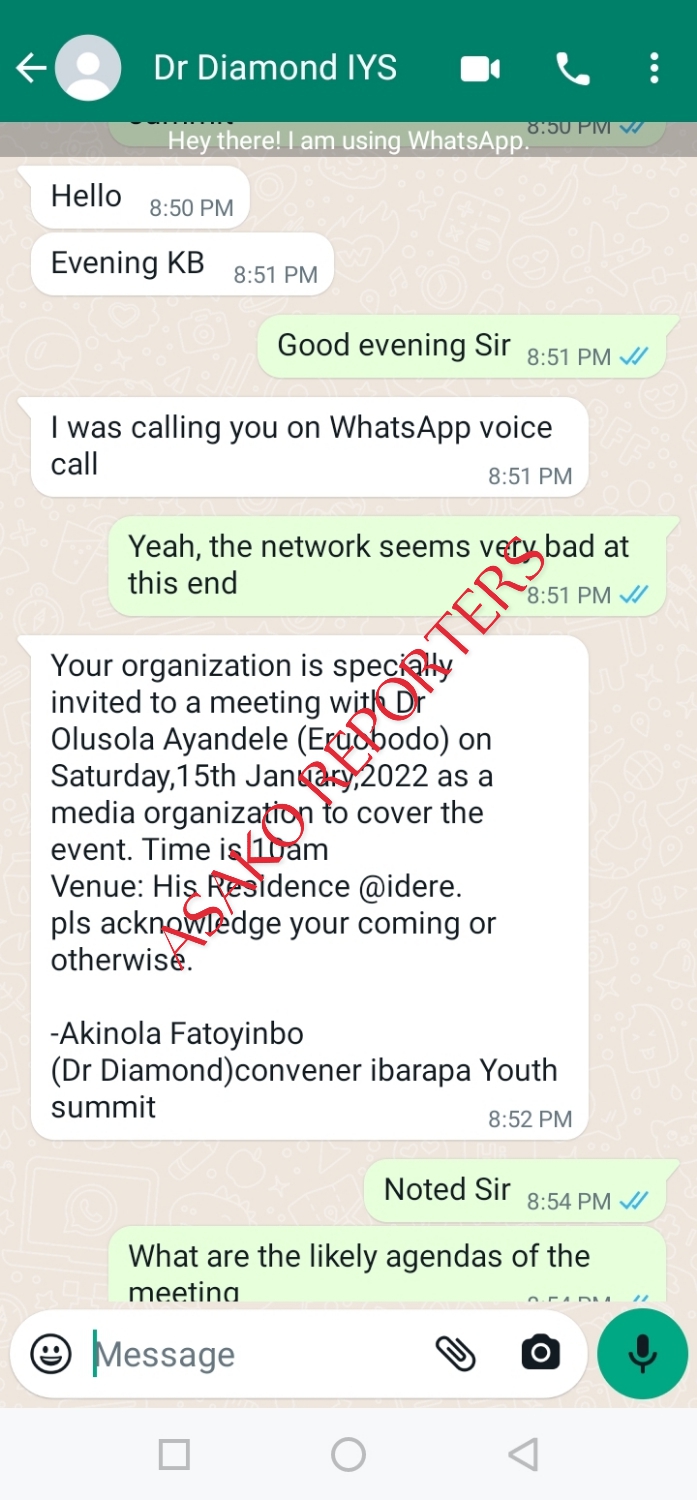
DELIBERATE PUBLICATION OF FAKE NEWS BY HASSAN OLAONIYE, PUBLISHER OF PEOPLESCONSCIENCE IS AN ABERRATION IN JOURNALISM PRACTICE
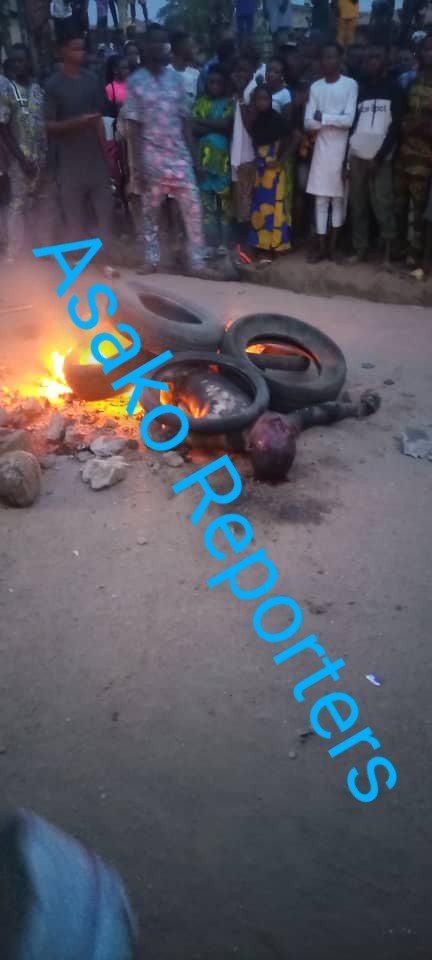
PANIC IN IGBOORA AS A PROMISING BATTERY CHARGER STABBED TO DEATH BY BROTHERS

EXACTLY A YEAR AFTER, IGBOORA STUDENTS UNION FORMER PRESIDENT THANK SUPPORTERS

DOCTORAL DEGREE: OYSCATECH MANAGEMENT, FORMER MANAGEMENT, ISEYIN CAMPUS OF LAUTECH ACTING PROVOST, OTHERS HONOUR AGBOGUN

Ramadan: Pattern Agro Ventures Greets Customers, Intimate them of Available Products

HON MURAINA AJIBOLA SAUBANA AND HIS NUMEROUS BILLS ON TERTIARY INSTITUTIONS: THE AYETE EXPERIENCE – KABIR O. AYINLA

PROFESSOR AKINOLA KEHINDE AKINLABI TO DELIVER LECTURE AT THE LAUNCHING OF ASAKO MAGAZINE
-
News5 years ago
FASU CRISIS: REDEMPTION FORUM CALL FOR PEACE, WRITES TEAM FOCUS
-
 News4 years ago
BREAKING: PANIC IN IGBOORA AS SEGO BURNT TO ASHES … Towobowo market distrupted as motorcycle rate collector killed a minor.
-
Business5 years ago
ASAKO REPORTERS SET TO HONOUR ADEGOKE, ADEDIGBA, AKINLABI, OLUGBILE, OLANIPEKUN, OLARINDE,OWOTUTU, LATE OLU OF IGBOORA AND ONIPAKO
-
Business5 years ago
DELIBERATE PUBLICATION OF FAKE NEWS BY HASSAN OLAONIYE, PUBLISHER OF PEOPLESCONSCIENCE IS AN ABERRATION IN JOURNALISM PRACTICE
-
News5 years ago
PANIC IN IGBOORA AS A PROMISING BATTERY CHARGER STABBED TO DEATH BY BROTHERS
-
Events5 years ago
EXACTLY A YEAR AFTER, IGBOORA STUDENTS UNION FORMER PRESIDENT THANK SUPPORTERS
-
Business5 years ago
DOCTORAL DEGREE: OYSCATECH MANAGEMENT, FORMER MANAGEMENT, ISEYIN CAMPUS OF LAUTECH ACTING PROVOST, OTHERS HONOUR AGBOGUN
-
 Religion4 years ago
Ramadan: Pattern Agro Ventures Greets Customers, Intimate them of Available Products