
News
Why casinos limit or ban players: common triggers

Why casinos limit or ban players: common triggers
In a modern casino, limits and bans are usually risk controls rather than personal vendettas. Operators balance customer experience with regulatory duties, fraud prevention, and the need to protect their own margins. When a player is restricted, it is typically because their activity matches patterns associated with abuse, money laundering, or a threat to game integrity. Even casual references online, such as Kwiff casino, sit within an ecosystem where monitoring and enforcement are routine.
Common triggers start with identity and payment issues: repeated failed verification, mismatched documents, chargebacks, or unusual deposit behaviour can prompt immediate limits. Bonus misuse is another frequent cause, including multi-accounting, “matched betting” patterns, or coordinated play designed to extract promotions without genuine risk. Casinos also watch for signs of advantage play that violates house rules, such as collusion at tables, suspiciously timed bet sizing, or using prohibited software tools. Finally, responsible gambling interventions can lead to enforced cooling-off, reduced stakes, or exclusion when play indicates harm, especially where affordability checks and safer-gambling policies apply.
A useful lens is the work of industry educator and advocate Jason Somerville, known for bringing professional poker strategy to mainstream audiences through streaming and live commentary. His emphasis on transparency, bankroll discipline, and fair play highlights why operators react strongly to behaviour that undermines trust. You can see his primary social profile here: JasonSomerville. For broader context on how regulation and market growth shape enforcement, this reputable coverage is helpful: The New York Times. In practice, the safest approach is simple: verify promptly, avoid promotional loopholes, keep play consistent with stated funds, and never use tools or tactics that breach terms.


APC WOMEN STORM IBARAPA CENTRAL, MOBILISE SUPPORT FOR TINUBU, ALLI, OLAONIYE, AMOO

Onikola, Honicos Support Movement Visit APM Candidate Akorede, Emphasise Youth Inclusion in Governance

Renowned Igboora Fuji Legend, Monsuru Ajagbe is Dead
Understanding the legal framework surrounding casinos in the UK

JUST IN: BILL TO UPGRADE OYSCATECH, IGBOORA TO UNIVERSITY PASSES FIRST READING

ONIKOLA MEETS ADEPOJU, REAFFIRMS SUPPORT FOR IBARAPA KAN, HIGHLIGHTS LAWMAKER’S COMMITMENT TO CONSTITUENTS
OYSCATECH DEBUNKS INSECURITY RUMORS, DECLARES CAMPUS ENVIRONMENT SAFE

OBASEKU G/S WINS AS ADEDIGBA FAMILY PLEDGES ₦2.5M, WAEC, NECO, JAMB FEES FOR 52 STUDENTS AT IBARAPA STUDENTS’ DEBATE.

AYETE AGOG AS AKOREDE IS TURBANED FIRST AARE MUSULUMI OF AYETE-LAND

“RESPECT YOUR PARENTS EVEN IF THEY ARE UNBELIEVERS” – CLERIC TELLS MUSLIMS AT ALABERE’S 2ND YEAR FIDAU

FASU CRISIS: REDEMPTION FORUM CALL FOR PEACE, WRITES TEAM FOCUS

BREAKING: PANIC IN IGBOORA AS SEGO BURNT TO ASHES … Towobowo market distrupted as motorcycle rate collector killed a minor.
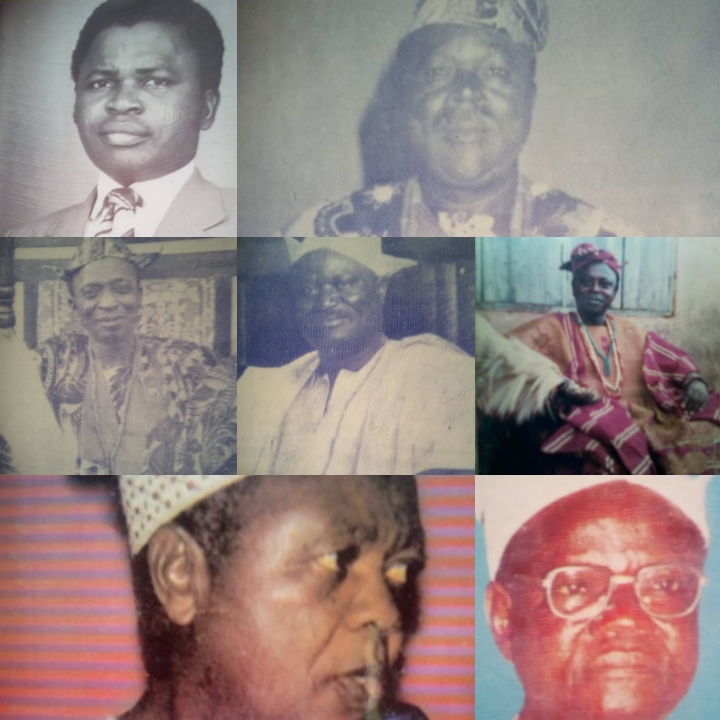
ASAKO REPORTERS SET TO HONOUR ADEGOKE, ADEDIGBA, AKINLABI, OLUGBILE, OLANIPEKUN, OLARINDE,OWOTUTU, LATE OLU OF IGBOORA AND ONIPAKO
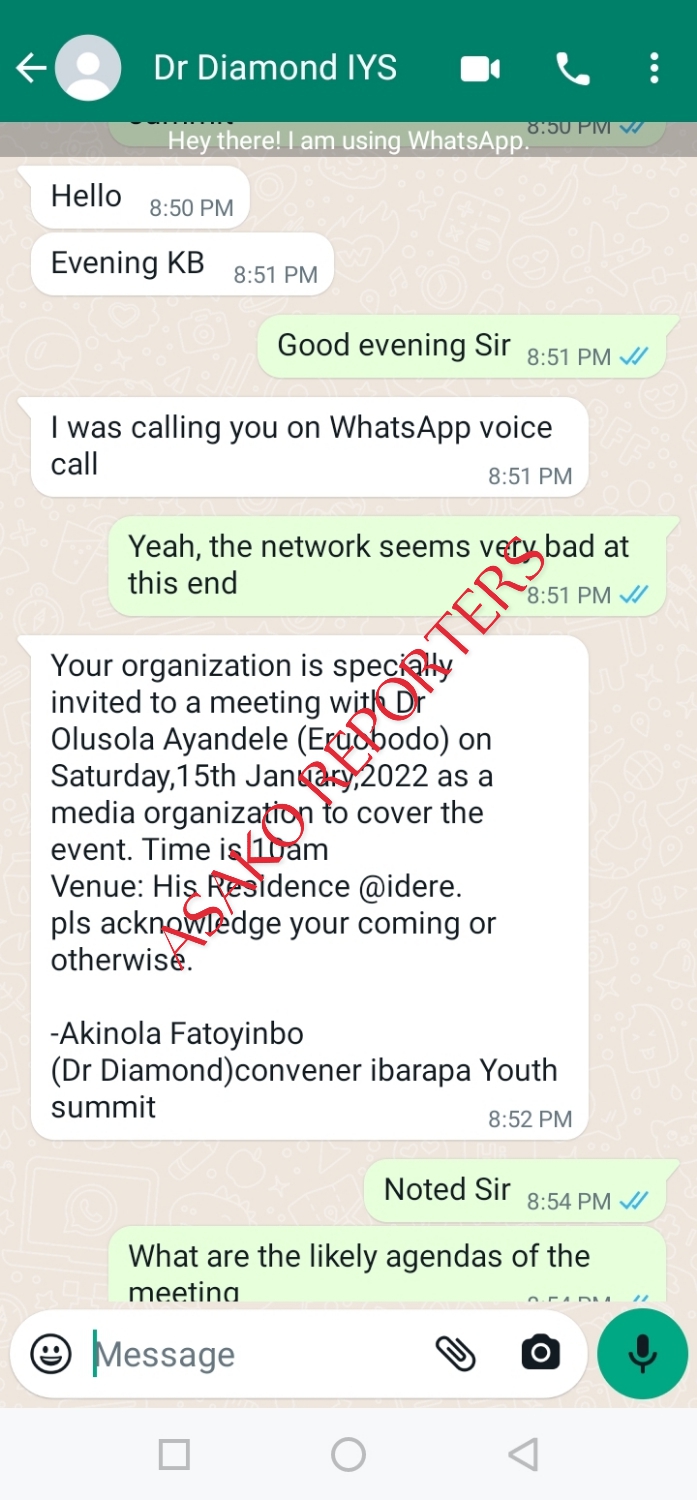
DELIBERATE PUBLICATION OF FAKE NEWS BY HASSAN OLAONIYE, PUBLISHER OF PEOPLESCONSCIENCE IS AN ABERRATION IN JOURNALISM PRACTICE

PANIC IN IGBOORA AS A PROMISING BATTERY CHARGER STABBED TO DEATH BY BROTHERS

EXACTLY A YEAR AFTER, IGBOORA STUDENTS UNION FORMER PRESIDENT THANK SUPPORTERS

DOCTORAL DEGREE: OYSCATECH MANAGEMENT, FORMER MANAGEMENT, ISEYIN CAMPUS OF LAUTECH ACTING PROVOST, OTHERS HONOUR AGBOGUN

Ramadan: Pattern Agro Ventures Greets Customers, Intimate them of Available Products

HON MURAINA AJIBOLA SAUBANA AND HIS NUMEROUS BILLS ON TERTIARY INSTITUTIONS: THE AYETE EXPERIENCE – KABIR O. AYINLA

PROFESSOR AKINOLA KEHINDE AKINLABI TO DELIVER LECTURE AT THE LAUNCHING OF ASAKO MAGAZINE
-
News5 years ago
FASU CRISIS: REDEMPTION FORUM CALL FOR PEACE, WRITES TEAM FOCUS
-
 News4 years ago
BREAKING: PANIC IN IGBOORA AS SEGO BURNT TO ASHES … Towobowo market distrupted as motorcycle rate collector killed a minor.
-
Business5 years ago
ASAKO REPORTERS SET TO HONOUR ADEGOKE, ADEDIGBA, AKINLABI, OLUGBILE, OLANIPEKUN, OLARINDE,OWOTUTU, LATE OLU OF IGBOORA AND ONIPAKO
-
Business5 years ago
DELIBERATE PUBLICATION OF FAKE NEWS BY HASSAN OLAONIYE, PUBLISHER OF PEOPLESCONSCIENCE IS AN ABERRATION IN JOURNALISM PRACTICE
-
News5 years ago
PANIC IN IGBOORA AS A PROMISING BATTERY CHARGER STABBED TO DEATH BY BROTHERS
-
Events5 years ago
EXACTLY A YEAR AFTER, IGBOORA STUDENTS UNION FORMER PRESIDENT THANK SUPPORTERS
-
Business5 years ago
DOCTORAL DEGREE: OYSCATECH MANAGEMENT, FORMER MANAGEMENT, ISEYIN CAMPUS OF LAUTECH ACTING PROVOST, OTHERS HONOUR AGBOGUN
-
 Religion4 years ago
Ramadan: Pattern Agro Ventures Greets Customers, Intimate them of Available Products