
News
IBARAPA’S FUTURE LIES IN EDUCATION, NOT ELECTIONS — PRINCE AKINTAYO AKINYEMI CHARGES YOUTHS AT IBARAPA YOUTH LEADERSHIP SUMMIT

Prince Akintayo Akinyemi on Saturday, October 17, 2026, delivered a thought-provoking lecture at the Ibarapa Youth Leadership Summit held at the Igbo-Ora Town Hall on the theme: “Education and Academia: Raising Responsible Leaders For A Better Ibarapa.”
Prince Akinyemi, who thanked the organizers for the honour, declared that Ibarapa’s greatness will not come from its fertile land or its strategic location close to Lagos, Ogun and Ibadan, but from its people — and people are only made through education.
According to him, education is not merely about acquiring certificates to look for jobs, but about character formation. “Academia is the laboratory where leaders are manufactured. No society has ever risen above the quality of its education,” he said.
Delivering his lecture, Prince Akinyemi traced the historical influence of academia on Ibarapa’s greatness. He recalled how education produced the first generation of Ibarapa elites who became forces to be reckoned with during the colonial era, including late Chief Adisa Akinleye and late Chief Gbadegesin Adeniran.
He noted that the tradition continued with the next generation of political heavyweights in the Western Region, such as late *Chief M.F. Adeegbe, late Chief N.A. Akinlabi, late Chief Adeseun Ogundoyin, late Chief Amos Adegoke, late Chief Gbolagunte and others*, stressing that academia paved the way for them to excel among the political giants of the Western Region at that time.
Speaking on responsible leadership, Prince Akinyemi defined a responsible leader as disciplined, competent, compassionate, visionary and accountable — not one with the biggest car or loudest siren. He said such leaders would not steal local government funds, sell Ibarapa’s future for political appointments, or build mansions in the city while major towns in the region remains in darkness.
He listed five ways education raises responsible leaders: through knowledge that solves local problems, character formation, mentorship, skills and entrepreneurship, and civic consciousness.
Prince Akinyemi did not mince words on the cancer eating deep into education. He identified six major challenges:
a) Politicization of school management where principals are appointed by party loyalty, not merit;
b) Politicization of tertiary institutions where governing councils and recruitments become political compensation;
c) Use of students as political thugs with N5,000 and T-shirts instead of training them for debate and innovation;
d) Abandonment of education for stomach infrastructure where rice-sharing replaces libraries and bursaries;
e) Brain drain caused by lack of light, roads and enabling environment; and
f) Destruction of value system where moneybags without education are celebrated as leaders in schools.
In a frank remark, Prince Akinyemi expressed disappointment over the poor attendance at the summit, noting that tertiary institution students who were the direct targets of the programme were largely absent, with only secondary school students in attendance.
He also cautioned student leaders against eulogizing the political class each time they beg for money, warning that such attitude turns them into political prey.
“This is not expected from student leaders. It diminishes their prestige and respect,” he said.
On the way forward, he charged youths to reclaim education for knowledge, demand accountability from councillors and chairmen, create a mentorship chain where each educated youth mentors five younger ones, depoliticize institutions, and mandate final year projects in tertiary institutions to solve Ibarapa problems — from twins research to cassava processing, solar power and tourism apps.
In his conclusion, Prince Akinyemi said: “The world discovered us because of twins — a biological miracle. But the world will only respect us because of our brains — an educational miracle. Ibarapa needs not leaders who know how to win elections, but leaders who know how to build a town.”
He urged youths to stop celebrating mediocrity and start celebrating scholarship.


WOMEN WILL HAVE A PLACE IN GOVERNMENT UNDER APC, ADETONA ASSURES IBARAPA NORTH WOMEN

OLOLADE HAILS BSA YOUTH VANGUARD MOBILISATION AT AYETE/TAPA RALLY, URGES APC UNITY AHEAD OF 2027

IBARAPA’S FUTURE LIES IN EDUCATION, NOT ELECTIONS — PRINCE AKINTAYO AKINYEMI CHARGES YOUTHS AT IBARAPA YOUTH LEADERSHIP SUMMIT
CookieCasino on the Go: Snelle Mobile Sessies Gebouwd Rond Book of Dead Spins
WoW Classic Anniversary Gold in the United States

BSA YOUTH VANGUARD STORMS AYETE, TAPA IN RALLY, ACCUSES APM OF FAILING IBARAPA NORTH

STOP MAKING EMPTY PROMISES TO IBARAPA LAND! – Comr. Ayantunji Feranmi
Пин Ап казино – Официальный сайт Pin Up Casino вход на зеркало
1win casino and sportsbook in India
1win casino and sportsbook in India
FASU CRISIS: REDEMPTION FORUM CALL FOR PEACE, WRITES TEAM FOCUS

BREAKING: PANIC IN IGBOORA AS SEGO BURNT TO ASHES … Towobowo market distrupted as motorcycle rate collector killed a minor.
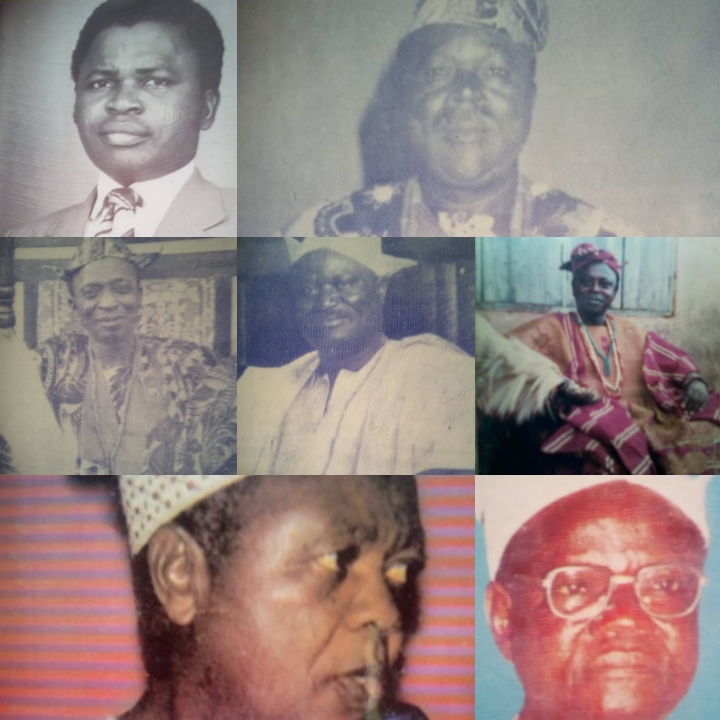
ASAKO REPORTERS SET TO HONOUR ADEGOKE, ADEDIGBA, AKINLABI, OLUGBILE, OLANIPEKUN, OLARINDE,OWOTUTU, LATE OLU OF IGBOORA AND ONIPAKO
DELIBERATE PUBLICATION OF FAKE NEWS BY HASSAN OLAONIYE, PUBLISHER OF PEOPLESCONSCIENCE IS AN ABERRATION IN JOURNALISM PRACTICE

PANIC IN IGBOORA AS A PROMISING BATTERY CHARGER STABBED TO DEATH BY BROTHERS

EXACTLY A YEAR AFTER, IGBOORA STUDENTS UNION FORMER PRESIDENT THANK SUPPORTERS
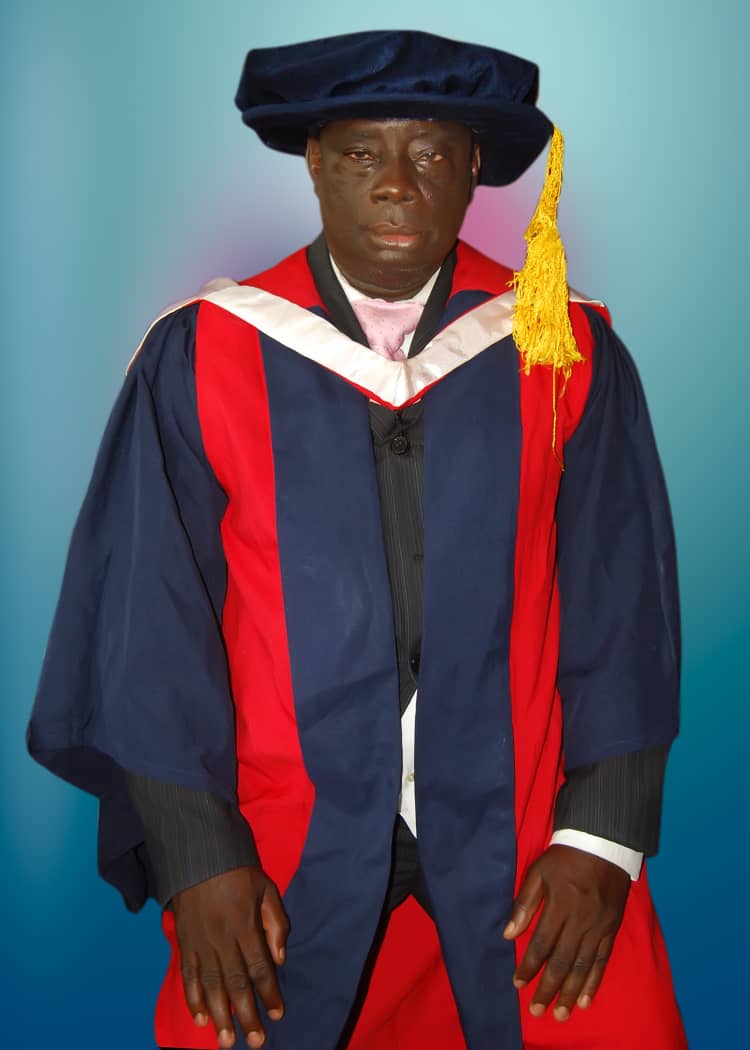
DOCTORAL DEGREE: OYSCATECH MANAGEMENT, FORMER MANAGEMENT, ISEYIN CAMPUS OF LAUTECH ACTING PROVOST, OTHERS HONOUR AGBOGUN

Ramadan: Pattern Agro Ventures Greets Customers, Intimate them of Available Products
HON MURAINA AJIBOLA SAUBANA AND HIS NUMEROUS BILLS ON TERTIARY INSTITUTIONS: THE AYETE EXPERIENCE – KABIR O. AYINLA
PROFESSOR AKINOLA KEHINDE AKINLABI TO DELIVER LECTURE AT THE LAUNCHING OF ASAKO MAGAZINE
-
News5 years ago
FASU CRISIS: REDEMPTION FORUM CALL FOR PEACE, WRITES TEAM FOCUS
-
 News4 years ago
BREAKING: PANIC IN IGBOORA AS SEGO BURNT TO ASHES … Towobowo market distrupted as motorcycle rate collector killed a minor.
-
Business5 years ago
ASAKO REPORTERS SET TO HONOUR ADEGOKE, ADEDIGBA, AKINLABI, OLUGBILE, OLANIPEKUN, OLARINDE,OWOTUTU, LATE OLU OF IGBOORA AND ONIPAKO
-
Business5 years ago
DELIBERATE PUBLICATION OF FAKE NEWS BY HASSAN OLAONIYE, PUBLISHER OF PEOPLESCONSCIENCE IS AN ABERRATION IN JOURNALISM PRACTICE
-
News5 years ago
PANIC IN IGBOORA AS A PROMISING BATTERY CHARGER STABBED TO DEATH BY BROTHERS
-
Events5 years ago
EXACTLY A YEAR AFTER, IGBOORA STUDENTS UNION FORMER PRESIDENT THANK SUPPORTERS
-
Business5 years ago
DOCTORAL DEGREE: OYSCATECH MANAGEMENT, FORMER MANAGEMENT, ISEYIN CAMPUS OF LAUTECH ACTING PROVOST, OTHERS HONOUR AGBOGUN
-
 Religion5 years ago
Ramadan: Pattern Agro Ventures Greets Customers, Intimate them of Available Products