
News
Mastering Persuasive Essay Techniques for Effective Policy Advocacy

Mastering Persuasive Essay Techniques for Effective Policy Advocacy
Writing a persuasive essay on policy changes requires more than just voicing an opinion; it demands strategic thinking, compelling evidence, and a clear understanding of your audience. When advocating for or against a policy, your goal is to influence opinions, spark debate, and ultimately drive change. To achieve this, understanding various approaches to crafting persuasive essays is essential for any writer aiming to make a meaningful impact.
Understanding Your Audience and Purpose
The foundation of a persuasive essay is knowing who you are addressing and what you want to accomplish. Are you speaking to policymakers, community members, or the general public? Each audience requires a tailored approach. For policymakers, facts, data, and legal implications carry more weight. For the general public, emotional appeals and relatable stories might be more effective. Clarifying your purpose—whether to inform, motivate action, or shift opinions—guides the tone and structure of your essay.
Frameworks and Approaches to Persuasion
1. The Classical Rhetorical Approach
This traditional method, rooted in Aristotle’s rhetoric, emphasizes ethos (credibility), pathos (emotion), and logos (logic). A persuasive essay structured around these elements ensures a balanced and compelling argument:
- Ethos: Establish your credibility by citing reputable sources and demonstrating expertise.
- Pathos: Use emotional appeals to connect with readers on a personal level, illustrating the real-world impact of policy changes.
- Logos: Present logical arguments supported by data, statistics, and factual evidence.
2. Problem-Solution Approach
This method involves clearly defining a problem and proposing a viable solution. It’s particularly effective for policy essays, as it directly aligns the issue with your recommended change. When utilizing this approach:
- Describe the problem with compelling facts and real-life examples.
- Explain why current policies are insufficient.
- Propose a clear, actionable solution supported by evidence and potential benefits.
3. Comparative Advantage Technique
Here, you compare existing policies with proposed changes, highlighting the advantages of the latter. This approach helps emphasize why your recommended policy is preferable, focusing on:
- The shortcomings of current policies.
- The benefits and improvements offered by your proposal.
- Counterarguments and how they can be addressed effectively.
Research and Evidence: Building a Convincing Case
No persuasive essay is complete without thorough research. Citing credible sources lends authority, while relevant data makes your arguments more compelling. When do my homework, be sure to include statistics, expert opinions, case studies, and legal precedents. Well-chosen evidence not only supports your claims but also demonstrates that your recommendations are grounded in reality.
Addressing Counterarguments
Anticipating objections and addressing them within your essay strengthens your position. Acknowledging opposing viewpoints shows fairness and credibility, while refuting them with evidence or logical reasoning can sway skeptics. This balanced approach is more persuasive than ignoring dissenting opinions.
Effective Writing Techniques for Persuasion
Beyond content, the style of your writing impacts persuasion. Use clear, concise language and avoid jargon that might alienate readers. Incorporate storytelling elements to humanize the issue, making it more relatable. Additionally, employing rhetorical questions and emphasizing key points can keep readers engaged and reflective.
Conclusion: Crafting a Persuasive Policy Essay
Creating an impactful persuasive essay on policy changes involves combining strategic frameworks, thorough research, and compelling storytelling. Whether you choose the classical rhetorical approach, problem-solution method, or comparative advantage technique, understanding your audience and backing your claims with credible evidence are crucial steps. Remember, the ultimate goal is to inspire action and foster understanding, turning your ideas into tangible change.
And if you find yourself overwhelmed or pressed for time, don’t hesitate to do my homework—seek resources, expert advice, or tutoring to refine your approach. Mastering these techniques will empower you to craft persuasive essays that can influence policy and make a real difference in your community or beyond.

Mastering Persuasive Essay Techniques for Effective Policy Advocacy
X Bet : étapes et méthodes pour s’inscrire et profiter des bonus
Călătorie În Timp Prin Istoria Cazinourilor din București
MrVegas Casino payment methods guide – fast UK deposits & withdrawals
Mr Vegas Casino Bonus Code Guide – Claim Steps, Wagering & Mobile Play
Mr Vegas app – what UK players need to know
How to verify your MrVegas Casino account – UK guide
Mr Vegas payout guide: Fast cash‑out methods for UK players
Hopa review: app and mobile guide for UK players
Fun Casino account verification guide – how to register and start playing

FASU CRISIS: REDEMPTION FORUM CALL FOR PEACE, WRITES TEAM FOCUS

BREAKING: PANIC IN IGBOORA AS SEGO BURNT TO ASHES … Towobowo market distrupted as motorcycle rate collector killed a minor.

ASAKO REPORTERS SET TO HONOUR ADEGOKE, ADEDIGBA, AKINLABI, OLUGBILE, OLANIPEKUN, OLARINDE,OWOTUTU, LATE OLU OF IGBOORA AND ONIPAKO
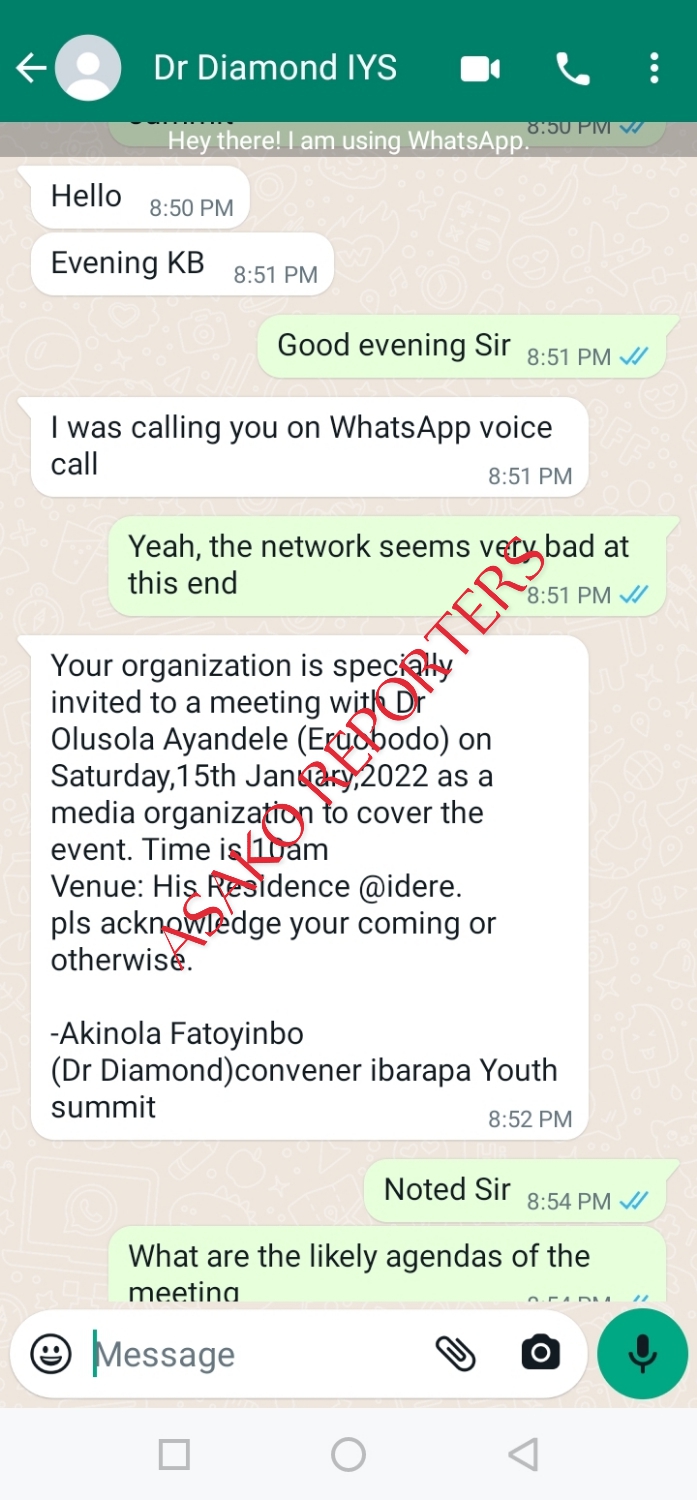
DELIBERATE PUBLICATION OF FAKE NEWS BY HASSAN OLAONIYE, PUBLISHER OF PEOPLESCONSCIENCE IS AN ABERRATION IN JOURNALISM PRACTICE

PANIC IN IGBOORA AS A PROMISING BATTERY CHARGER STABBED TO DEATH BY BROTHERS

EXACTLY A YEAR AFTER, IGBOORA STUDENTS UNION FORMER PRESIDENT THANK SUPPORTERS

DOCTORAL DEGREE: OYSCATECH MANAGEMENT, FORMER MANAGEMENT, ISEYIN CAMPUS OF LAUTECH ACTING PROVOST, OTHERS HONOUR AGBOGUN

Ramadan: Pattern Agro Ventures Greets Customers, Intimate them of Available Products

HON MURAINA AJIBOLA SAUBANA AND HIS NUMEROUS BILLS ON TERTIARY INSTITUTIONS: THE AYETE EXPERIENCE – KABIR O. AYINLA

PROFESSOR AKINOLA KEHINDE AKINLABI TO DELIVER LECTURE AT THE LAUNCHING OF ASAKO MAGAZINE
-
News5 years ago
FASU CRISIS: REDEMPTION FORUM CALL FOR PEACE, WRITES TEAM FOCUS
-
 News4 years ago
BREAKING: PANIC IN IGBOORA AS SEGO BURNT TO ASHES … Towobowo market distrupted as motorcycle rate collector killed a minor.
-
Business5 years ago
ASAKO REPORTERS SET TO HONOUR ADEGOKE, ADEDIGBA, AKINLABI, OLUGBILE, OLANIPEKUN, OLARINDE,OWOTUTU, LATE OLU OF IGBOORA AND ONIPAKO
-
Business5 years ago
DELIBERATE PUBLICATION OF FAKE NEWS BY HASSAN OLAONIYE, PUBLISHER OF PEOPLESCONSCIENCE IS AN ABERRATION IN JOURNALISM PRACTICE
-
News5 years ago
PANIC IN IGBOORA AS A PROMISING BATTERY CHARGER STABBED TO DEATH BY BROTHERS
-
Events5 years ago
EXACTLY A YEAR AFTER, IGBOORA STUDENTS UNION FORMER PRESIDENT THANK SUPPORTERS
-
Business5 years ago
DOCTORAL DEGREE: OYSCATECH MANAGEMENT, FORMER MANAGEMENT, ISEYIN CAMPUS OF LAUTECH ACTING PROVOST, OTHERS HONOUR AGBOGUN
-
 Religion5 years ago
Ramadan: Pattern Agro Ventures Greets Customers, Intimate them of Available Products