
News
EDITORIAL: ONE MANDATE, TWO CLAIMS — UNTANGLING THE TRUTH IN THE FIBSA ELECTION CRISIS


The Federation of Ibarapa Students’ Association (FIBSA) once again finds itself at the centre of an avoidable leadership crisis, following the conduct of two parallel elections that produced two claimants to the presidency. While both camps have advanced arguments in defence of their actions, a careful review of events reveals a clear distinction between a procedurally grounded mandate and a parallel exercise born out of unresolved internal disagreement.
The crisis began on December 20, 2025, when the Senate Council, at a sitting held at Baba Aso Hall, Igbole, Igboora and presided over by the Senate President, Sen. Bolatiri Henry Olanrewaju, constituted the Electoral Commission and approved its nominees. That decision represented the collective will of the Senate and laid the constitutional foundation for the 2025/2026 FIBSA election.
Tension arose days later when the leadership of the Electoral Commission was altered on December 26, 2025, without a fresh ratification by the full Senate Council. This development generated resistance, particularly among representatives of Tapa, and introduced uncertainty into an already sensitive process.
In response to the looming crisis, security authorities intervened, and key stakeholders, including the seven indigenous town presidents were engaged. A consensus was reached: the aggrieved parties were given 48 hours to resolve the dispute, failing which the Electoral Commission would proceed with the election. When the ultimatum expired without resolution, the commission acted in line with this collective understanding.
Subsequent decisions on the election date and venue were taken through voting among stakeholders, reinforcing the democratic nature of the process. The Association of Town Presidents later issued a memo endorsing the decision to proceed with the election, further lending collective backing to the process.
Accordingly, the election was held on Saturday, January 10, 2026, in Eruwa, Ibarapa East Local Government, and was chaired by Comr. Salaudeen Faruq as Chairman of the Electoral Commission. In line with established practice, each town president was required to present delegates to vote. Records indicate that delegates were presented by all town presidents except the President from Igangan, who reportedly excused his absence on the grounds of distance to Ibarapa East.
Despite this absence, the election proceeded as scheduled and culminated in the emergence and immediate inauguration of Comr. Suliamon Lekan Oyalowo as President of FIBSA.
However, the matter did not end there. The Senate President, Sen. Bolatiri Henry Olanrewaju, alongside the Executive President, Comr. Rokeeq A. Adeegbe, rejected the Saturday election, citing zoning considerations specifically, the view that the chairman of the Electoral Commission should not originate from the same town as the president.
On this basis, a parallel Electoral Commission was recognized, with Comr. Sangotunde Taiwo Idris acting as Chairman. This faction conducted another election on Sunday, January 11, 2026, in Ayete, which produced Comr. Abass Adesola Olaniyi as President.
This second election, while reflecting the position of its organizers, occurred after a president had already emerged through a process backed by earlier Senate approval, stakeholder resolutions, a town presidents’ supporting memo, and democratic voting. As such, it stands as a parallel exercise, rather than a continuation of the original electoral process chaired by Comr. Salaudeen Faruq.
It is important to stress that this editorial does not dismiss the concerns raised by the Senate and executive leadership. Zoning principles and institutional authority matter. However, democratic systems thrive on consistency, and rules invoked after outcomes are declared weaken institutions rather than strengthen them.
In practical terms, therefore, Comr. Suliamon Lekan Oyalowo stands as the president produced by the earlier and procedurally stronger election, while Comr. Abass Adesola Olaniyi emerged from a parallel poll chaired by Comr. Sangotunde Taiwo Idris amid unresolved institutional disputes.
Beyond personalities, the recurring emergence of parallel governments during FIBSA elections points to deeper structural flaws. Personal ambition, factional interests, and external political influence continue to overshadow the collective good of Ibarapa students. Until these issues are addressed through constitutional clarity, independent arbitration, and sincere leadership, such crises may remain a recurring feature.
FIBSA now stands at a defining moment. The association must choose between entrenching division or recommitting to unity, transparency, and respect for due process. The future of student representation in Ibarapa depends on that choice.


Patience and Trust in Allah Key to Success, Cleric Advises at Bashorun Soliu Lawal Foundation’s 9th Ramadan Lecture

Strengthening Family Ties and Societal Unity: Lessons from Ramadan – Cleric Admonishes at Owotutu Maiden Lecture

IBARAPA SET FOR ECONOMIC BOOM AS BUSINESS SUMMIT 3.0 TRADE FAIR STORMS ERUWA

RAMADAN AND LENT: IPU EXTENDS WARM WISHES TO MUSLIMS AND CHRISTIANS

ARO DESCENDANTS HOLD CONGRESS; INAUGURATE EXECUTIVES

FAJIM Medicare Foundation, IPU Collaborate on Free Medical Outreach on World Cancer Day

FISU APPLAUDS ENGR. OLUSEGUN OKANLAWON FOR SPONSORING FREE JAMB REGISTRATION FOR IBARAPA STUDENTS

Idofin ushers new Era, as Aro Clan Unites: Historic Meeting Brokers Peace, Elects New Chairman, and Unveils 10-Year Development Plan.

IPU CELEBRATES IBARAPA LEGEND, CHIEF (DR) SAMUEL OJE MORAKINYO AT 90.DR

HON. UTEME BATEREN FELICITATES HON. JOHN OGUMA ON BIRTHDAY
FASU CRISIS: REDEMPTION FORUM CALL FOR PEACE, WRITES TEAM FOCUS

BREAKING: PANIC IN IGBOORA AS SEGO BURNT TO ASHES … Towobowo market distrupted as motorcycle rate collector killed a minor.
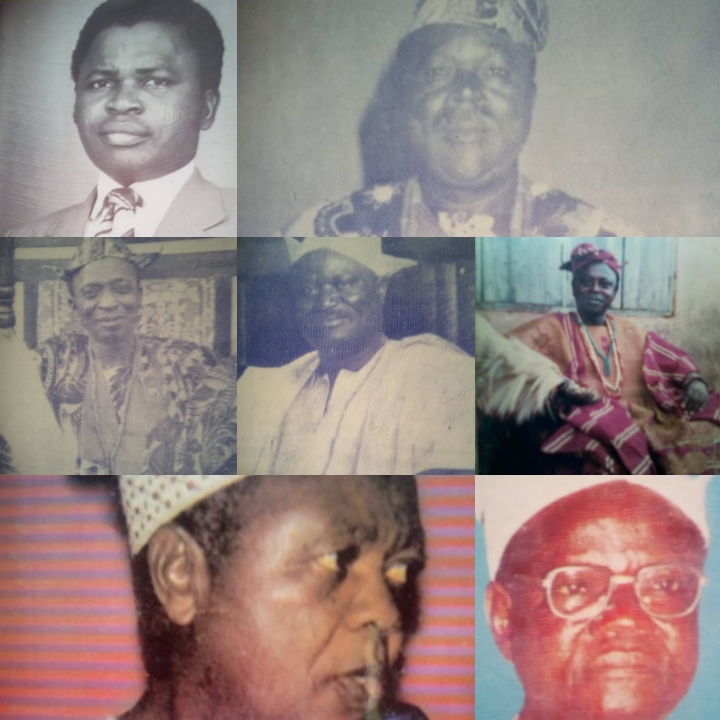
ASAKO REPORTERS SET TO HONOUR ADEGOKE, ADEDIGBA, AKINLABI, OLUGBILE, OLANIPEKUN, OLARINDE,OWOTUTU, LATE OLU OF IGBOORA AND ONIPAKO
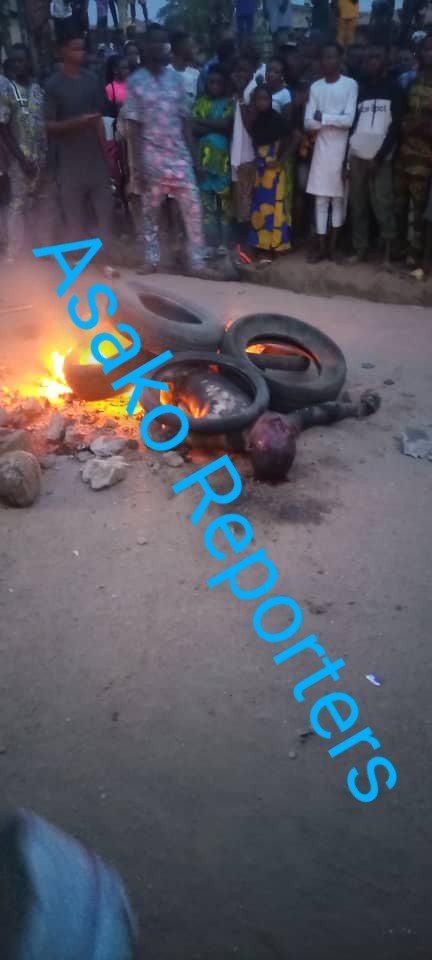
PANIC IN IGBOORA AS A PROMISING BATTERY CHARGER STABBED TO DEATH BY BROTHERS
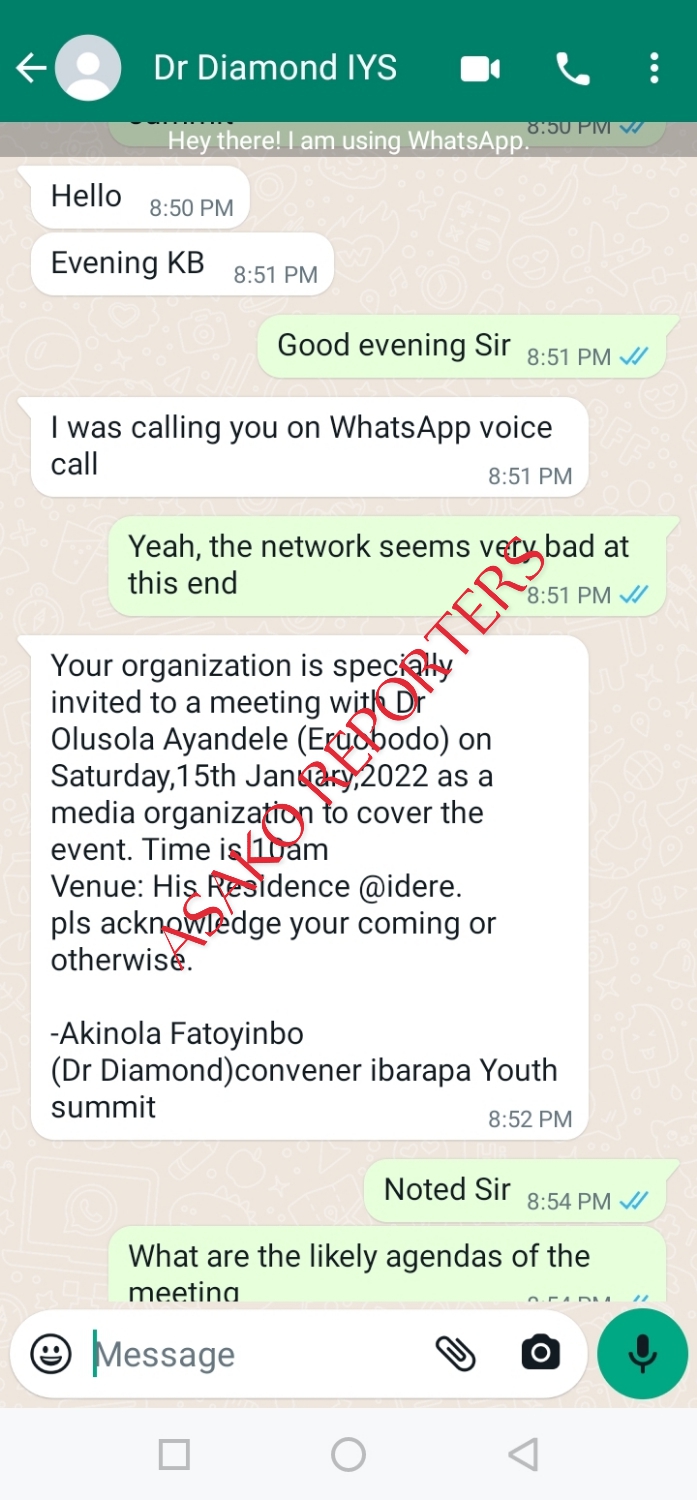
DELIBERATE PUBLICATION OF FAKE NEWS BY HASSAN OLAONIYE, PUBLISHER OF PEOPLESCONSCIENCE IS AN ABERRATION IN JOURNALISM PRACTICE

EXACTLY A YEAR AFTER, IGBOORA STUDENTS UNION FORMER PRESIDENT THANK SUPPORTERS

DOCTORAL DEGREE: OYSCATECH MANAGEMENT, FORMER MANAGEMENT, ISEYIN CAMPUS OF LAUTECH ACTING PROVOST, OTHERS HONOUR AGBOGUN

Ramadan: Pattern Agro Ventures Greets Customers, Intimate them of Available Products
HON MURAINA AJIBOLA SAUBANA AND HIS NUMEROUS BILLS ON TERTIARY INSTITUTIONS: THE AYETE EXPERIENCE – KABIR O. AYINLA

Eid-il Fitri: Pattern Agro Ventures Rejoices With Esteemed Muslim Customers, Intimate Them Of Her Commitment To Customer Satisfaction
-
News4 years ago
FASU CRISIS: REDEMPTION FORUM CALL FOR PEACE, WRITES TEAM FOCUS
-
 News3 years ago
BREAKING: PANIC IN IGBOORA AS SEGO BURNT TO ASHES … Towobowo market distrupted as motorcycle rate collector killed a minor.
-
Business4 years ago
ASAKO REPORTERS SET TO HONOUR ADEGOKE, ADEDIGBA, AKINLABI, OLUGBILE, OLANIPEKUN, OLARINDE,OWOTUTU, LATE OLU OF IGBOORA AND ONIPAKO
-
News4 years ago
PANIC IN IGBOORA AS A PROMISING BATTERY CHARGER STABBED TO DEATH BY BROTHERS
-
Business4 years ago
DELIBERATE PUBLICATION OF FAKE NEWS BY HASSAN OLAONIYE, PUBLISHER OF PEOPLESCONSCIENCE IS AN ABERRATION IN JOURNALISM PRACTICE
-
Events4 years ago
EXACTLY A YEAR AFTER, IGBOORA STUDENTS UNION FORMER PRESIDENT THANK SUPPORTERS
-
Business4 years ago
DOCTORAL DEGREE: OYSCATECH MANAGEMENT, FORMER MANAGEMENT, ISEYIN CAMPUS OF LAUTECH ACTING PROVOST, OTHERS HONOUR AGBOGUN
-
 Religion4 years ago
Ramadan: Pattern Agro Ventures Greets Customers, Intimate them of Available Products